Reflexões
Idade Média Agora
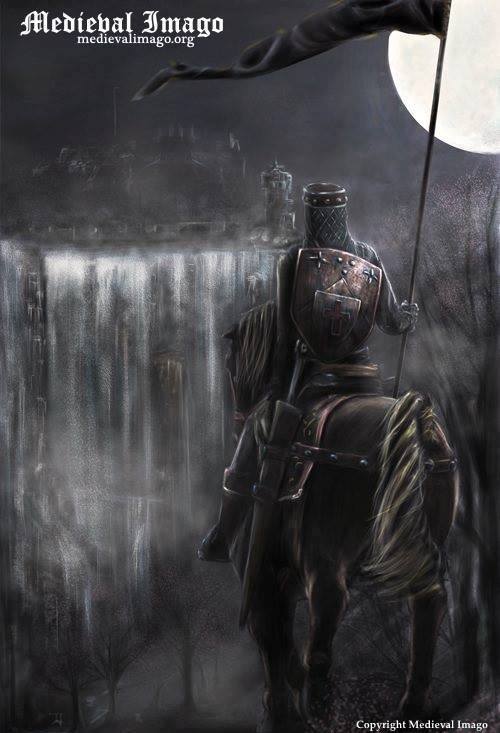
Idade Média presente, contrastes constantes. A história medieval é um enorme sistema de aviso prévio. O medievo cativa, nos encanta, nos intriga. Esse interesse é bem compreensível, pois falar da Idade Média é, de certa forma, falar de nós mesmos. Quem de nós não desejou cavalgar com a sua amada rumo a um castelo escondido em uma colina distante. Ela representa o longo período de gestação no qual foi criado o mundo moderno: as atuais nações europeias, das quais derivamos, juntamente com suas respectivas línguas e literaturas, são parte do legado medieval. Nosso cotidiano está repleto de inovações surgidas naquela época, como as universidades, os bancos, e ainda a imprensa, o relógio mecânico e os óculos, enfim o início de um conhecimento mais amplo. De acordo com Hilário Franco Júnior, devemos à Idade Média inclusive a origem dos modernos sistemas de representação política e os fundamentos da mentalidade científica que caracterizam a civilização ocidental. Mas apesar de tudo a Idade Média segue sendo vítima de um grande preconceito. Para muitos, ela ainda representa um período no qual a humanidade, subjugada pela ignorância e flagelada pela peste, viveu oprimida sob o terror das fogueiras da Inquisição. Afinal de contas, continua a ser aceito o rótulo de “idade das trevas”, como se no milênio que permeia a queda do Império Romano e a chegada de Colombo à América não houvesse sido criado nada que fosse digno de nota. Que dizer então do canto gregoriano, da Divina Comédia ou dos avanços arquitetônicos que permitiram erguer catedrais ainda hoje admiradas? Muitas vezes estes são detalhes convenientemente esquecidos a fim de justificar um quadro histórico esquemático, segundo o qual deve haver uma época de barbárie que anteceda e justifique o Renascimento do século XVI. Apesar da significativa renovação dos estudos sobre a Idade Média, ela ainda é muito pouco conhecida, ou — o que é pior — mal conhecida por quem não é especialista. As noções fragmentadas e contraditórias transmitidas na escola permitem que se use (e abuse) de conceitos relativos à Idade Média segundo a conveniência de cada um: desde o militante político que apelida a perversa concentração fundiária brasileira de “feudal”, até os novos “magos” de hoje que procuram se revestir de uma aura “medieval” para vender livros de auto-ajuda. Ahhh gente boa, pedale nos dois sentidos, reflita sobre o passado medieval como sustentação e concretização do que somos no mundo de hoje.
Abe Deo Vincit Semper Gladius Auxilius Nobis
Paulo Edmundo Vieira Marques
Reflections
The Middle Ages Now
The Middle Ages present, constant contrasts. Medieval history is a huge system of early warning. The Middle Ages captivate us, enchant us, intrigue us. This interest is quite understandable, because talking about the Middle Ages is, in a way, talking about ourselves. Who among us hasn't wished to ride with their beloved towards a castle hidden on a distant hill? It represents the long gestation period in which the modern world was created: the current European nations, from which we derive, along with their respective languages and literatures, are part of the medieval legacy. Our daily lives are full of innovations that emerged at that time, such as universities, banks, and even the printing press, the mechanical clock and eyeglasses, in short, the beginning of a broader knowledge. According to Hilário Franco Júnior, we owe to the Middle Ages even the origin of modern systems of political representation and the foundations of the scientific mentality that characterize Western civilization. But despite everything, the Middle Ages continues to be the victim of great prejudice. For many, it still represents a period in which humanity, subjugated by ignorance and plagued by the plague, lived oppressed under the terror of the Inquisition's bonfires. After all, the label "Dark Ages" continues to be accepted, as if nothing noteworthy was created in the millennium between the fall of the Roman Empire and Columbus's arrival in America. What then of Gregorian chant, the Divine Comedy, or the architectural advances that allowed the construction of cathedrals still admired today? Often these are details conveniently forgotten in order to justify a schematic historical framework, according to which there must be an era of barbarism that precedes and justifies the Renaissance of the 16th century. Despite the significant renewal of studies on the Middle Ages, it is still very little known, or—worse—poorly known by those who are not specialists. The fragmented and contradictory notions transmitted in school allow for the use (and abuse) of concepts related to the Middle Ages according to each person's convenience: from the political activist who calls the perverse concentration of Brazilian land ownership "feudal," to today's new "magicians" who seek to cloak themselves in a "medieval" aura to sell self-help books. Oh, good people, pedal in both directions, reflect on the medieval past as the foundation and embodiment of who we are in today's world.
Abe Deo Vincit Semper Gladius Auxilius Nobis
Paulo Edmundo Vieira Marques
... See MoreSee Less